
Things to cover:
- Carbs and sugar
- Protein
- Fat
- Veg and Non Veg Indian Diet
- Diabeties and insuline resistance
- Energy conservation
- gut health
- colestirol
- chorionic disease
- seed oil, ghee, buttur, palm oil
- breakfast, lunch, snack and dinner
- Benefits of Intermittent Fasting
https://x.com/arunkumar3112/status/1809953382607798286 https://x.com/bensmithlive/status/1809627900875816983 https://x.com/seanpk/status/1810285855011221540
https://gemini.google.com/share/f222831a12ce
Carbohydrate metabolism, blood sugar (glucose), and fat are all interconnected players in the body’s energy management system. Here’s a breakdown of their relationship:
Carbohydrate Metabolism:
This refers to the biochemical processes by which your body breaks down carbohydrates (sugars and starches) from food into usable energy (glucose). When you eat carbohydrates, your digestive system breaks them down into simple sugars, primarily glucose. Glucose enters the bloodstream and becomes the primary source of energy for your cells. Blood Sugar (Glucose):
Glucose is transported throughout your body by the bloodstream. The level of glucose in your blood is called blood sugar. The hormone insulin, produced by the pancreas, helps regulate blood sugar levels. When blood sugar levels rise after a meal, insulin unlocks the cells, allowing glucose to enter and be used for energy. Fat:
When your body doesn’t need immediate energy from glucose, it can store excess glucose as fat in your adipose tissues. Fat serves as an energy reserve for the body to use during times of low blood sugar or when food intake is limited. Insulin also plays a role in fat storage, promoting the conversion of excess glucose into fat.
Complex Carbohydrates:
Structure: Composed of long chains of sugar molecules, taking longer to digest. Examples: Whole grains (brown rice, quinoa, oats), legumes (beans, lentils), vegetables (sweet potatoes, broccoli). Pros: Blood sugar: Slower, steadier rise in blood sugar levels, promoting sustained energy. Insulin: Lower insulin response compared to simple carbs. Digestive system & gut health: Provides dietary fiber, essential for gut health and digestion. Nutrient content: Rich in vitamins, minerals, and antioxidants. Cons: May require more chewing due to their fiber content. When to eat: Ideal for sustained energy throughout the day, perfect for breakfast, lunch, or a pre-workout meal. Simple Carbohydrates:
Structure: Composed of single or short chains of sugar molecules, digested quickly. Examples: Sugary drinks (soda, juice), refined grains (white bread, pasta), pastries, candy, fruits (although fruits also contain fiber). Pros: Quick energy: Provide a rapid boost in blood sugar, ideal for immediate energy needs. Cons: Blood sugar: Cause rapid spikes in blood sugar, followed by potential crashes, leading to fatigue. Insulin: High insulin response can lead to insulin resistance over time, a risk factor for diabetes. Digestive system & gut health: Often lack fiber, which can contribute to digestive issues. Nutrient content: Generally lower in vitamins, minerals, and antioxidants compared to complex carbs. When to eat: In moderation, after intense exercise for quick energy replenishment or when blood sugar is low (consult a doctor for managing low blood sugar). When to avoid: Limit intake before bed to avoid sleep disruption due to blood sugar fluctuations. Avoid relying on simple carbs as a primary energy source.
Glycemic Index (GI): A ranking system that indicates how quickly a carbohydrate raises blood sugar levels. Low-GI complex carbs are preferred for steady energy. Fiber intake: Aim for a diet rich in fiber from complex carbs to promote gut health and digestion. Portion control: Moderation is key, even with complex carbs.
Fiber is a type of carbohydrate that our bodies can’t fully digest. It plays a crucial role in maintaining a healthy digestive system, but too much can cause some discomfort. Here’s a breakdown:
Benefits of Fiber for Digestion:
Promotes regularity: Fiber adds bulk to stool, making it softer and easier to pass, preventing constipation. Supports gut health: Fiber feeds the good bacteria in your gut, promoting a healthy microbiome which aids digestion and overall health. Slows down digestion: Fiber helps regulate the absorption of sugar in the bloodstream, preventing blood sugar spikes and crashes. Helps you feel full: Fiber can increase satiety, making you feel fuller for longer and potentially aiding in weight management. How Excess Fiber Can Be Detrimental:
Gas and bloating: As gut bacteria break down fiber, they can produce gas, leading to bloating and discomfort. This usually improves as your body adjusts to a higher fiber intake. Cramps and diarrhea: A sudden increase in fiber intake can overwhelm your digestive system, causing cramps and diarrhea. Introduce fiber gradually to allow your gut to adapt. Nutrient absorption: Very high fiber intake might interfere with the absorption of certain minerals like calcium, iron, and zinc. It’s important to get a balanced diet with other sources of these nutrients.
- Blood Sugar/Glucose:
Blood sugar, also known as glucose, is the primary source of energy for your body’s cells. It comes from the carbohydrates you eat, which are broken down into glucose during digestion. The hormone insulin helps regulate blood sugar levels.
- Insulin Resistance:
Insulin is a hormone produced by the pancreas that helps your cells absorb glucose from the bloodstream. In insulin resistance, cells become less responsive to insulin, leading to higher blood sugar levels. Chronic high blood sugar can lead to various health problems, including diabetes and heart disease.
- Inflammation:
Inflammation is the body’s natural response to injury or infection. Chronic, low-grade inflammation can contribute to various health conditions, including insulin resistance. Excess body fat, especially around the abdomen, is linked to chronic inflammation. Certain foods and lifestyle factors can also contribute to inflammation. Connection between Inflammation and Blood Sugar/Insulin Resistance:
While the exact mechanisms are still being researched, chronic inflammation is believed to interfere with insulin signaling pathways. This can make cells less responsive to insulin, leading to insulin resistance and higher blood sugar levels. Managing inflammation through diet, exercise, and weight management can potentially improve insulin sensitivity and blood sugar control.
- Chorionic Disease:
Chorionic disease is a group of abnormal conditions affecting the chorion, the fetal membrane in the placenta. Examples include: Placental abruption (premature separation of the placenta from the uterine wall) Placenta previa (low-lying placenta that covers the cervix) Gestational trophoblastic disease (abnormal growth of placental cells) Chorionic diseases are not directly related to blood sugar, insulin resistance, or inflammation, but they can affect pregnancy health.
Imagine your body is like a well-oiled machine. Sometimes, like any machine, parts get irritated or injured. This irritation or injury triggers inflammation, which is like your body’s army rushing in to fight off the problem.
Acute inflammation is good, like a short-term fire drill. It causes redness, swelling, and maybe some pain, but it helps heal the injury.
However, sometimes the fire drill doesn’t end. This is called chronic inflammation. It’s like the army keeps showing up even when there’s no fire, and it can damage healthy tissue in the long run.
What causes chronic inflammation?
There are many culprits, like:
Unhealthy diet: Too much sugar, processed foods, and unhealthy fats can irritate your body. Lack of exercise: Regular movement helps keep inflammation in check. Stress: Chronic stress floods your body with hormones that can trigger inflammation. Smoking: Smoking damages tissues and keeps the inflammation fire going. Certain medical conditions: Autoimmune diseases or gut problems can also contribute. How does chronic inflammation affect you?
Chronic inflammation is linked to various health problems, including:
Heart disease: Inflammation can damage blood vessels and increase the risk of heart attack or stroke. Diabetes: Chronic inflammation can make it harder for your body to control blood sugar levels. Arthritis: Inflammation in the joints is a hallmark of arthritis. Some cancers: Chronic inflammation can play a role in the development of certain cancers. What can you do about chronic inflammation?
The good news is there are ways to fight back:
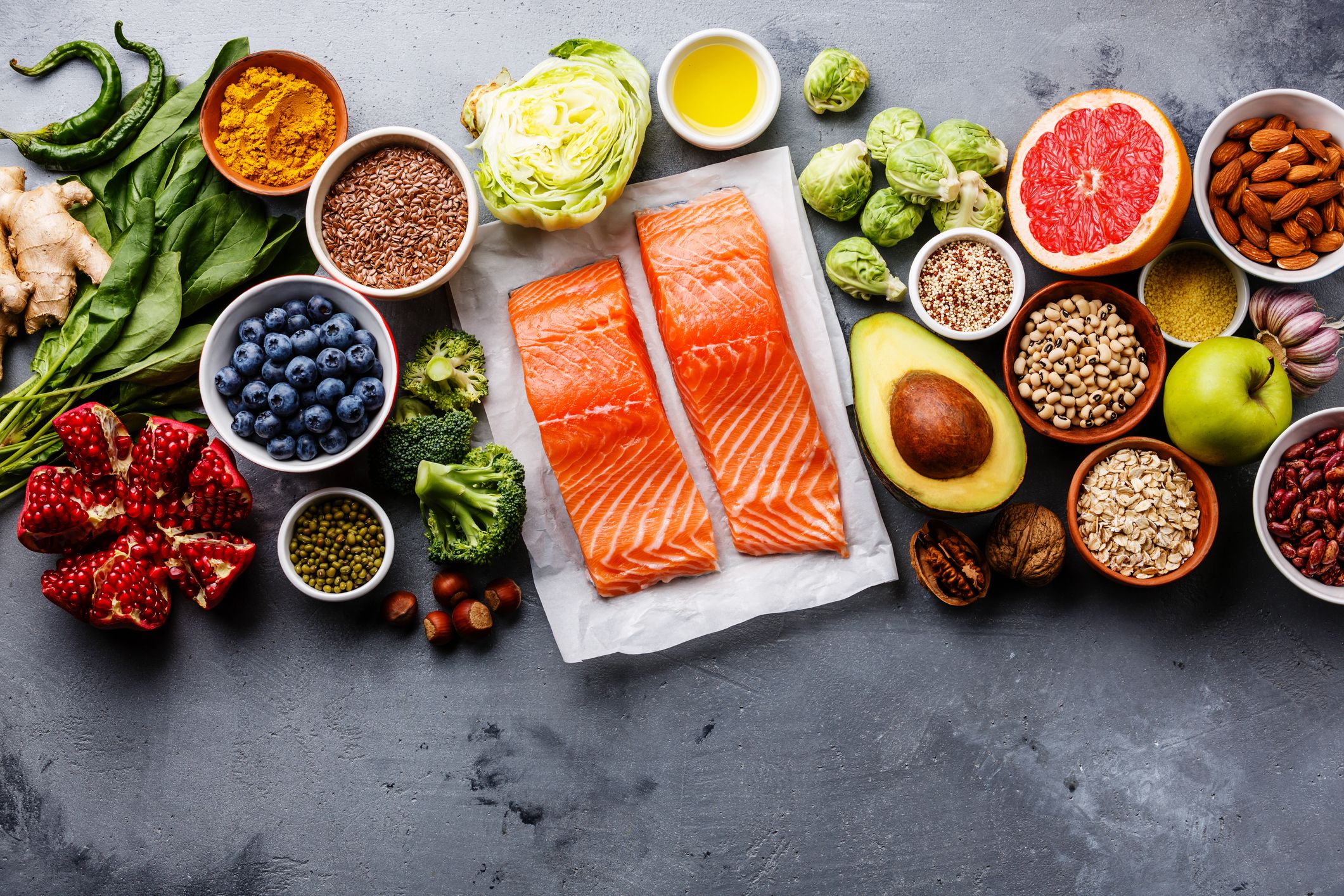
Eat a healthy diet: Focus on fruits, vegetables, whole grains, and lean protein. Exercise regularly: Aim for at least 30 minutes of moderate-intensity exercise most days of the week. Manage stress: Look for healthy ways to manage stress, like yoga or meditation. Maintain a healthy weight: Excess body fat can contribute to inflammation. Talk to your doctor: They can help you identify any underlying causes and develop a personalized plan. Remember, chronic inflammation is a complex issue, but by making healthy lifestyle choices, you can help keep your body’s fire drill under control.